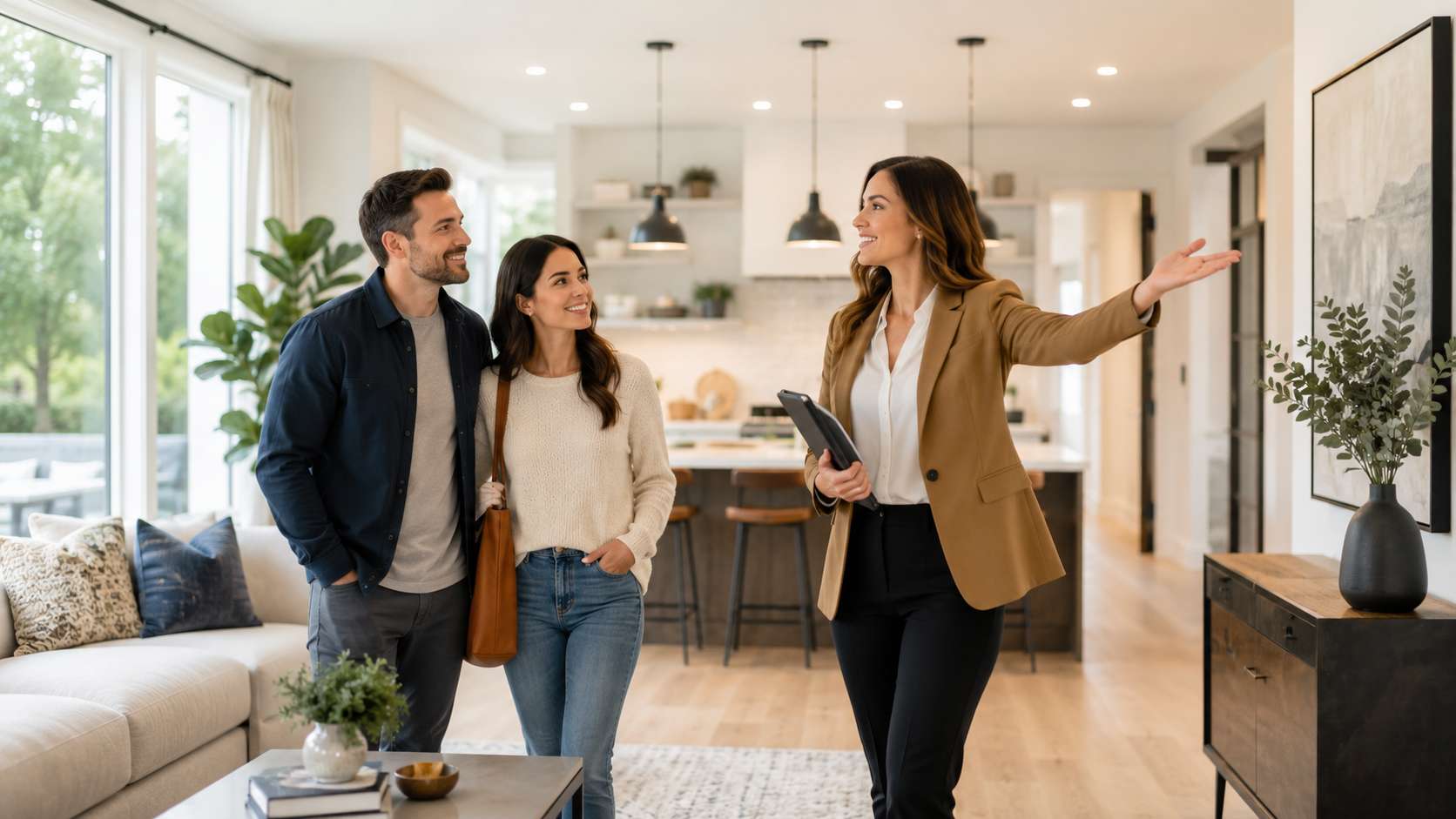
Touring homes is one of the most exciting parts of the buying process. It is also one of the easiest places to get distracted. A home may look beautiful online. It may be staged well. It may have new paint, nice furniture, updated countertops, or great lighting in the photos. But when you are walking through the property in person, your job is not just to decide whether you like it. Your job is to figure out whether the home actually fits your life, your budget, and your long-term goals. A good home tour should help you answer three questions: 1. Can I see myself living here? 2. Does this home function for my daily life? 3. Are there any concerns I need to understand before making an offer? This guide will help you know what to look for before, during, and after touring a home. ## Before You Start Touring Homes Before you schedule showings, make sure you are prepared. The biggest mistake buyers make is touring homes before they know their real buying power. Looking at houses is fun, but if you do not know your numbers, it can quickly become frustrating. Before touring seriously, you should: * Get pre-approved with a lender * Understand your monthly payment comfort zone * Know your estimated cash needed for closing * Decide on your preferred locations * Make a list of must-haves and nice-to-haves * Talk with your agent about the current market * Understand how quickly you may need to move if you find the right home A pre-approval does not just tell you what you may qualify for. It helps you shop with confidence. If you find the right home and you are not prepared, you may not be able to move quickly enough to make a strong offer. ## Know Your Must-Haves Before You Walk In Before touring homes, it helps to separate your must-haves from your nice-to-haves. Your must-haves are the things you truly need. Examples may include: * Number of bedrooms * Number of bathrooms * Location or school district * Yard size * Garage or parking * One-floor living * Space for working from home * Pet needs * Commute time * Budget Your nice-to-haves are the things you would love, but they should not automatically eliminate a good house. Examples may include: * Finished basement * Updated kitchen * Fenced yard * Fireplace * Walk-in closet * Extra storage * Specific flooring * Large deck or patio No home is perfect. The goal is to find a home that fits your biggest needs, not one that checks every single box. ## Look Past the Decor When touring a home, try not to get distracted by furniture, paint colors, decorations, or staging. Those things can affect how the home feels, but most of them are not permanent. Instead, focus on the things that are harder or more expensive to change: * Layout * Location * Room sizes * Natural light * Storage * Yard * Parking * Major systems * Overall condition * Signs of water intrusion * Foundation or structural concerns * Age of roof, HVAC, windows, and mechanicals A beautifully staged home can still have major issues. A dated home can sometimes be a great opportunity if the bones are good and the location works. Try to separate what is cosmetic from what is actually important. ## Pay Attention to the Layout Layout matters more than most buyers realize. Paint, flooring, lighting, and fixtures can be changed. The floor plan is much harder to change. As you walk through the home, think about your daily routine. Ask yourself: * Does the flow of the home make sense? * Is the kitchen located where you would want it? * Is there enough space for daily living? * Are the bedrooms positioned in a way that works for you? * Is there enough separation between living and sleeping areas? * Would the layout work for guests, kids, pets, or working from home? * Are there awkward rooms that would be hard to use? * Is laundry located in a practical place? A home can look great in photos but feel awkward in person. That is why touring matters. ## Check Natural Light Natural light can make a big difference in how a home feels. During the showing, pay attention to how much light comes into the main living areas, kitchen, bedrooms, and basement if there is one. Ask yourself: * Does the home feel bright or dark? * Are there enough windows? * Are the windows blocked by trees, neighboring homes, or overhangs? * Would you need lights on during the day? * Do the rooms feel warm and inviting? Lighting can be improved, but natural light is not always easy to change. If natural light matters to you, pay close attention during the tour. ## Do Not Forget Storage Storage is easy to overlook during a showing, especially if the home is empty or staged. Open closets. Look at the pantry. Check the basement, attic, garage, laundry area, and utility spaces. Think about where you would put: * Clothes * Cleaning supplies * Tools * Holiday decorations * Sports equipment * Lawn equipment * Kids’ items * Pet supplies * Bulk household items A home can feel spacious during a tour but become frustrating if there is not enough storage for real life. ## Look at the Kitchen Carefully The kitchen is one of the most important rooms in the house. Even if you do not cook a lot, the kitchen usually affects daily life, resale value, and how the home functions. When touring the kitchen, look at: * Cabinet space * Counter space * Appliance condition * Pantry storage * Layout * Sink location * Lighting * Flooring * Traffic flow * Space for a table or island * Overall condition Ask yourself whether the kitchen works as-is or whether you would need to make changes. An outdated kitchen is not always a dealbreaker, but you should understand whether the changes you would want are cosmetic or expensive. ## Look Closely at Bathrooms Bathrooms are another area where condition matters. As you tour, look for: * Water stains * Soft flooring * Cracked tile * Poor ventilation * Leaks under sinks * Slow drains * Mold or mildew concerns * Outdated fixtures * Shower or tub condition * Storage space Bathrooms can be expensive to update, especially if plumbing, tile, or moisture issues are involved. Do not just look at whether the bathroom is pretty. Look at whether it appears functional and well-maintained. ## Pay Attention to the Basement In our area, basements matter. A basement can provide great storage, extra living space, a workshop, laundry area, or future finished space. But it can also reveal important clues about the home. When touring the basement, look for: * Water stains * Musty smells * Cracks in walls or floors * Signs of previous water intrusion * Sump pump location * Exposed mechanical systems * Electrical panel access * Plumbing visibility * Ceiling height * Finished versus unfinished areas A basement does not need to be perfect, but signs of water or structural issues should be taken seriously. If the home has a finished basement, look closely. Finished walls and flooring can sometimes hide past moisture issues, so pay attention to smell, flooring condition, and any visible staining. ## Check the Major Systems You do not need to be an inspector during the showing, but you should pay attention to the major systems. Look for the age and condition of: * Roof * HVAC system * Water heater * Electrical panel * Plumbing * Windows * Septic system, if applicable * Well system, if applicable If you are seriously considering the home, ask questions. How old is the roof? Has the HVAC been serviced? Is there a record of septic pumping? Has the well water been tested? Are there any known issues? You may not get every answer during the showing, but these questions help you understand what to investigate if you decide to make an offer. ## Look Outside Do not spend all your time inside the home. The outside matters too. Walk around the property and look at: * Siding * Roof lines * Gutters and downspouts * Grading around the foundation * Driveway condition * Sidewalks and walkways * Decks and patios * Fencing * Landscaping * Drainage * Neighboring properties * Property boundaries * Road noise * Parking * Yard usability A great house with a yard that does not work for your lifestyle may not be the right fit. Think about how you would actually use the outdoor space. ## Think About the Location You can change a lot about a home. You cannot change where it is. As you tour, think about the location just as much as the house itself. Consider: * Commute * School district * Nearby roads * Noise * Neighborhood feel * Distance to groceries, restaurants, parks, and daily needs * Property taxes * Future resale * Surrounding property conditions * Rural versus neighborhood setting A home can be beautiful, but if the location does not work, it may become a problem later. ## Take Notes and Photos After seeing a few homes, they can start to blur together. Take notes during or right after each showing. Write down: * What you liked * What you did not like * Any concerns * Questions for the agent * Possible repairs or updates * How the home compares to others * Your gut feeling Photos and videos can also help, but make sure you are allowed to take them. The goal is to remember the home clearly after the tour, especially if you are comparing multiple properties. ## Do Not Rush Your Decision, But Understand the Market You should not feel pressured into buying the wrong home. At the same time, if a good home is priced well in a competitive market, you may not have days or weeks to think about it. That is why preparation matters. When you already know your budget, your must-haves, and your offer strategy, it is easier to make a confident decision when the right home appears. A good agent will not push you into a house. A good agent will help you understand the market, the home, the risks, and your options so you can make the best decision for your situation. ## Questions to Ask During a Home Tour Here are some helpful questions to ask when touring a home: * How long has the home been on the market? * Have there been any offers? * Why is the seller moving? * How old is the roof? * How old is the HVAC system? * How old is the water heater? * Are there any known issues? * Has the seller made recent repairs or updates? * Are utilities available for review? * Is the property on public water and sewer, or well and septic? * Are there HOA fees or restrictions? * What items are included or excluded? * Are there any easements or shared driveways? * Has the basement ever had water? * Are there permits for finished spaces or major improvements? You may not get every answer right away, but asking good questions helps you make a more informed decision. ## Red Flags to Watch For Some concerns may not be dealbreakers, but they should make you ask more questions. Possible red flags include: * Strong musty odors * Fresh paint in only one suspicious area * Water stains on ceilings or walls * Soft spots in flooring * Cracks in foundation walls * Doors or windows that do not close properly * Standing water near the foundation * Old or poorly maintained mechanical systems * DIY electrical or plumbing work * Signs of pests * Visible mold or mildew * Poor drainage * Significant deferred maintenance A red flag does not always mean you should walk away. It means you should slow down, investigate, and understand the issue before moving forward. ## After the Tour After touring a home, take a few minutes to talk through it with your agent. Ask yourself: * Does this home fit my main needs? * Can I afford it comfortably? * What repairs or updates would I need to make? * Are the concerns manageable? * How does it compare to other homes I have seen? * Would I be disappointed if someone else bought it? * Would I feel confident making an offer? That last question matters. Sometimes buyers know right away. Other times, the answer is no — and that is okay. The purpose of touring is not to force a decision. It is to gather enough information to make a good one. ## Thinking About Touring Homes? If you are thinking about buying a home in Hanover, PA, York County, Adams County, Carroll County, or the surrounding areas, the best first step is to get prepared before you start walking through houses. Our team can help you understand your budget, connect with a trusted local lender, set up a home search, schedule showings, and walk you through what to look for during each tour. Touring homes should be exciting, but it should also be strategic. With the right guidance, you can look past the surface, understand what matters, and move forward with confidence when the right home comes along.
Check out this article next